Mold Damage Repair in St. Petersburg, FL
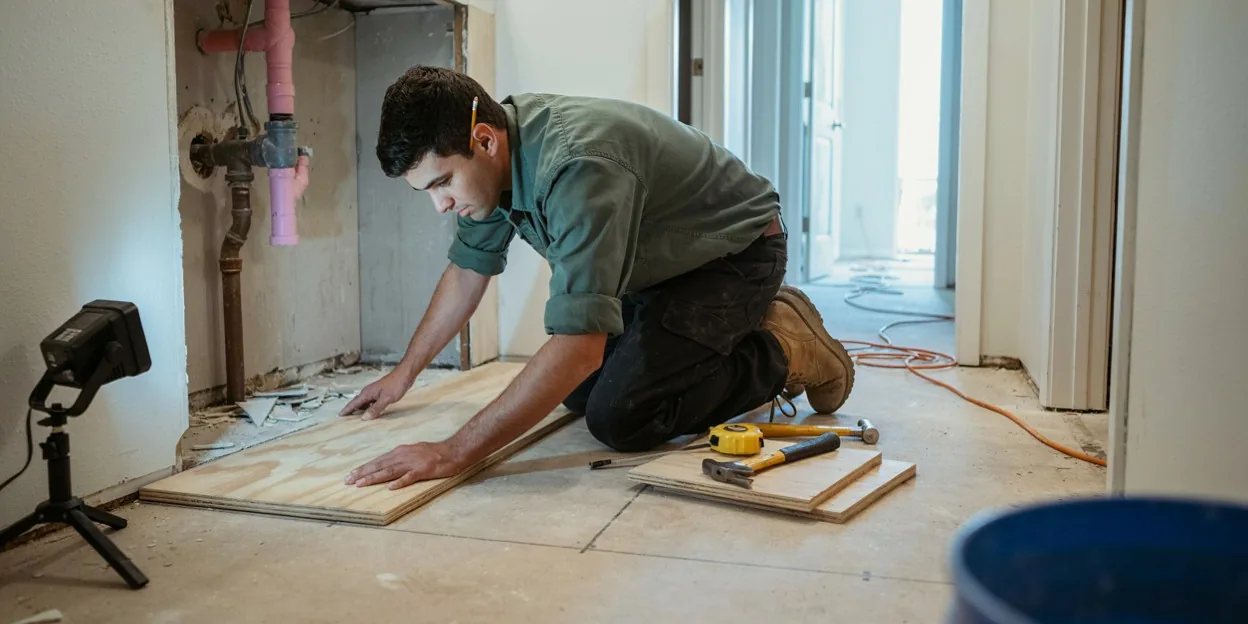
The remediation is done. The bottom two feet of every exterior wall is bare block, the kitchen has no lower cabinets, the closet doors are leaning in the garage, and the house is clean and dry and nowhere near livable. This site connects you by phone with an independent local provider who handles mold damage repair in St. Petersburg and the rest of Pinellas County.
Confirming dry before anything closes
The repair phase starts with a reading, not a delivery of drywall. The crew puts a meter on the block, the sill plates, the studs, and the slab in every opened area and compares the numbers to the remediation crew's final log. Anything still high waits. Closing a wall over a damp sill plate is how a house ends up on the odor page a year later.
They also check that the source was handled. A repaired roof, a replaced valve, a rerouted duct, or a raised threshold at the garage door should be done and documented before the first sheet goes up.
Hold off on the flooring and read the rebuild line
Resist the urge to lay new floors first. Flooring over a slab that is still giving back surge water traps moisture under it, and a laminate floor can smell within a season. Let the slab read dry and let the walls go back before the floor does.
Pull out the remediation scope and read where it stopped. The line between removal and rebuild should be written down: which company removed what, and which company is responsible for putting it back. Photograph the open walls, the block, and the slab before they are covered.
Drywall, trim, cabinets, and the ceiling under the attic
New drywall goes on cut to the same height as the removal line, taped and finished to match. Baseboard, door casings, and closet shelving are replaced. Lower kitchen cabinets and vanities come back on new bases, often with the toe kicks raised a little above the slab. Ceilings opened under a roof leak or an air handler closet are closed once the attic above is dry and the roof or the equipment has been fixed.
Where a wall was opened for a plumbing or electrical fix found during remediation, the trade work is inspected before the drywall covers it. If new growth shows up on an open wall during the repair phase, the work stops and goes back to mold removal. Houses that were flooded throughout usually move into this phase from whole-home mold remediation, and a bathroom repair follows bathroom mold removal.
Flood elevation rules, Pinellas permits, and houses rebuilt twice
The rebuild of a flooded house in St. Petersburg runs into a rule that mold removal does not: the substantial damage threshold. When repairs to a house in a mapped flood zone cost more than half of its value, the city or county may require the house to be brought up to current flood elevation standards. St. Petersburg applies its own 49 percent line, and roughly three quarters of the city sits inside a mapped flood hazard area, so after Helene and Milton many owners in Shore Acres, Coquina Key, and the beach towns got letters that shaped whether they repaired, raised, or sold. Ask the building department about your property before the repair scope is final.
Drywall replacement by itself is often minor work, but the plumbing, electrical, and cabinet work that goes with a flooded house usually needs permits from the City of St. Petersburg, from the beach town, or from Pinellas County Building Services for unincorporated areas and towns like Kenneth City. The contractor who rebuilds pulls them. Florida licenses mold assessors and remediators separately under Chapter 468, Part XVI; the rebuild itself is contractor work, and you can check a building contractor's license at myfloridalicense.com the same way. Flood policies and homeowner policies pay for different parts of the same house, and mold under the homeowner policy is often capped, so keep the remediation invoice and the repair invoice separate.
When you call about putting the house back
Have the address ready, along with the remediation scope, the final moisture log if you have it, and whether the source repair is done. Say whether you have received any letter about substantial damage. Call (727) 382-7755.